
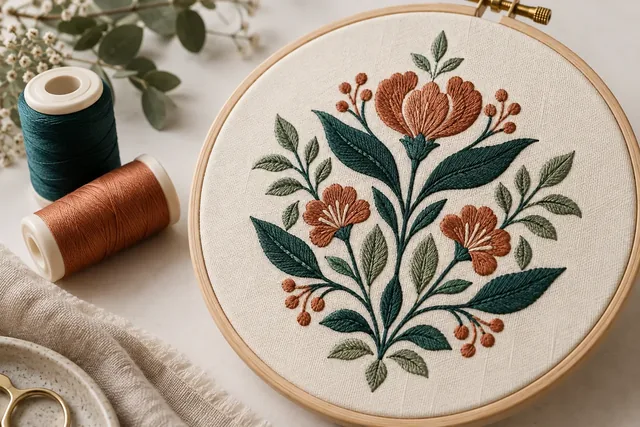
Embroidery Digitizing Services
Turn artwork into a stitch file prepared for a particular fabric, size and placement. Choose the garment first so the file can be planned for the way it will be sewn.
View options ↗Embroidery digitizing, vector artwork, patches & stickers
ALL SERVICES
Explore digital artwork services and physical custom products, including personalized names.
From $15 per design — flat rate by complexity, free minor revisions.
Turn artwork into a stitch file prepared for a particular fabric, size and placement. Choose the garment first so the file can be planned for the way it will be sewn.
View options ↗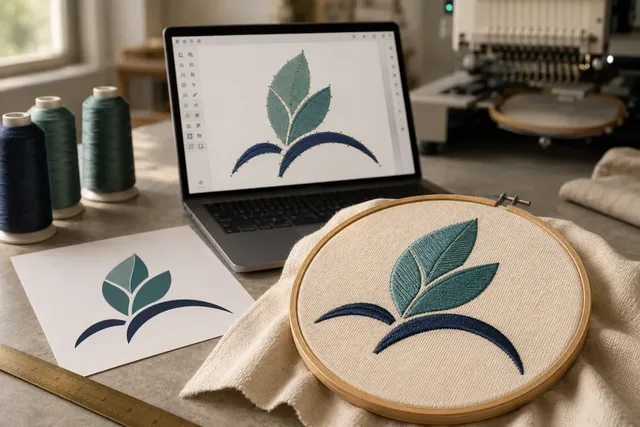
A logo that looks clear on a screen may need simplified detail when stitched. Identify essential lettering and brand elements before setting the finished size.
View options ↗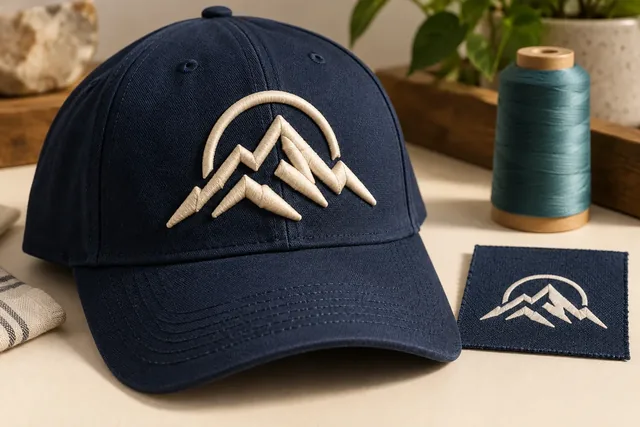
Caps introduce curved surfaces, seams and frame limits. A file prepared for a flat shirt should be reviewed before it is reused on a cap.
View options ↗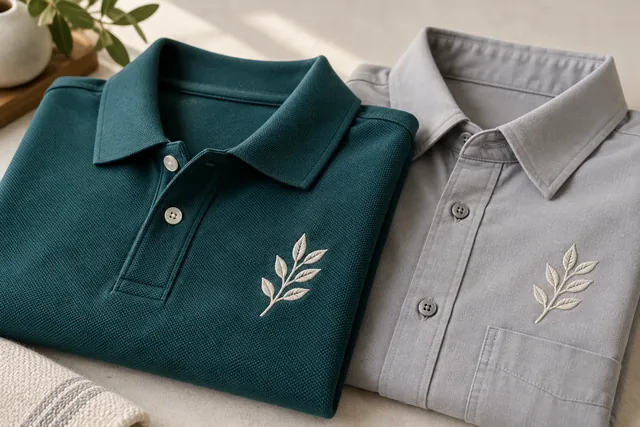
Match the stitch plan to the shirt fabric and wearing position. A lightweight tee and a piqué polo can need different handling even with the same logo.
View options ↗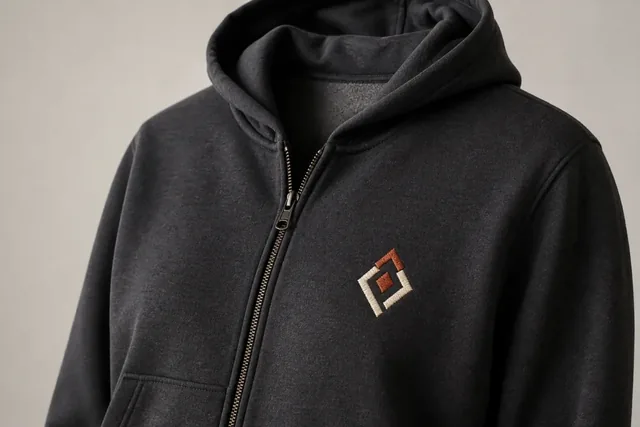
Large back designs and small chest marks need different planning. Tell us about seams, lining and hoop access before choosing the largest possible design.
View options ↗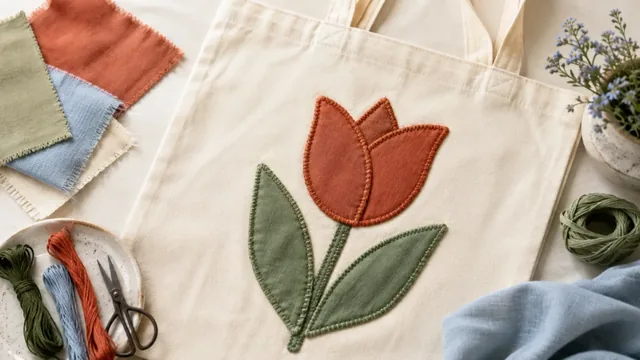
Appliqué combines fabric pieces with stitching. The placement, tack-down and finishing steps need to work with the fabric pieces you intend to use.
View options ↗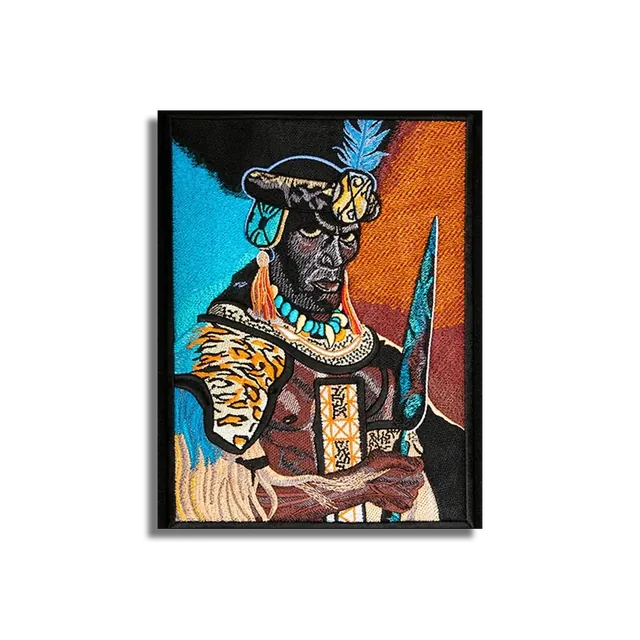
Photographs usually need interpretation rather than a literal stitch-for-pixel conversion. Agree which features and colors should remain clear at the chosen size.
View options ↗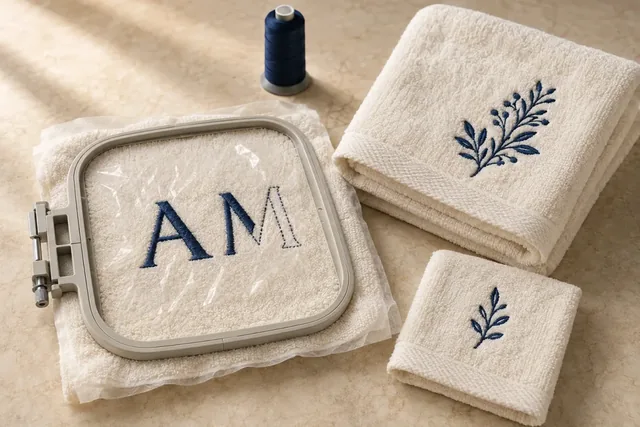
Raised towel loops can compete with fine lettering. Share the towel surface and intended design size so legibility and coverage can be reviewed.
View options ↗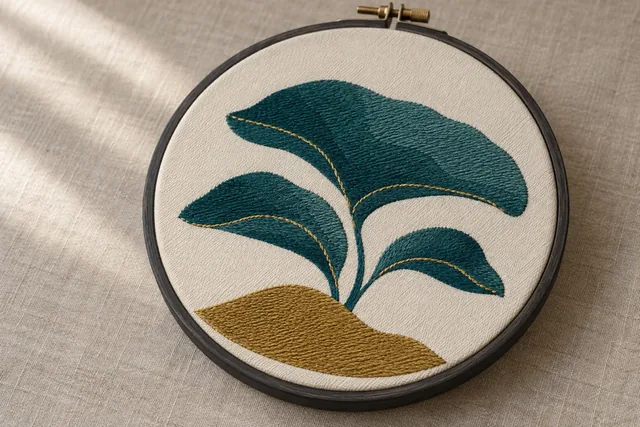
Flat embroidery suits many everyday logos and graphics. Its stitch plan still depends on the material and design scale.
View options ↗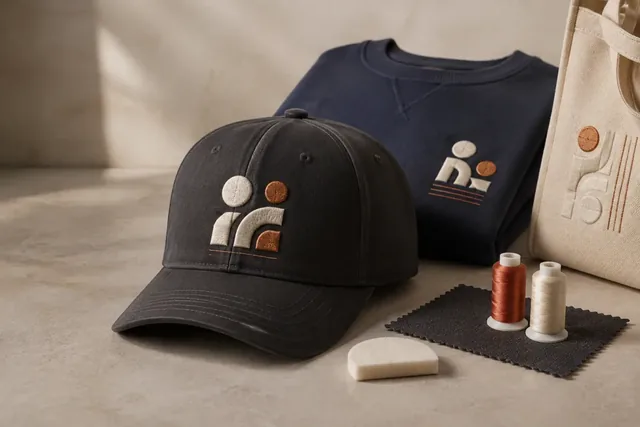
Raised foam embroidery works best when the artwork gives the raised areas enough room. Identify which parts should puff and which should stay flat.
View options ↗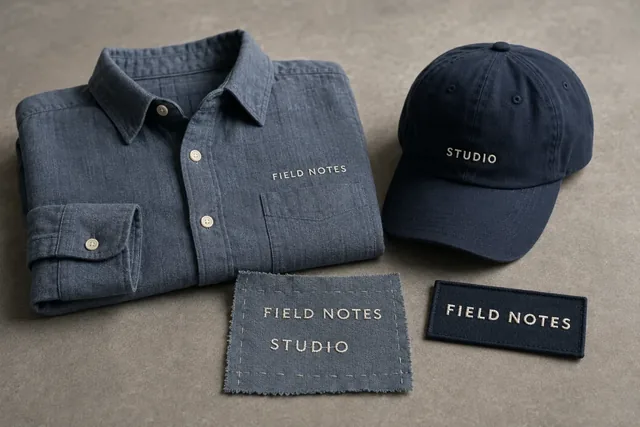
Small text needs a size and fabric review, not a universal legibility promise. Shorter text or a simpler letter shape may be the better choice.
View options ↗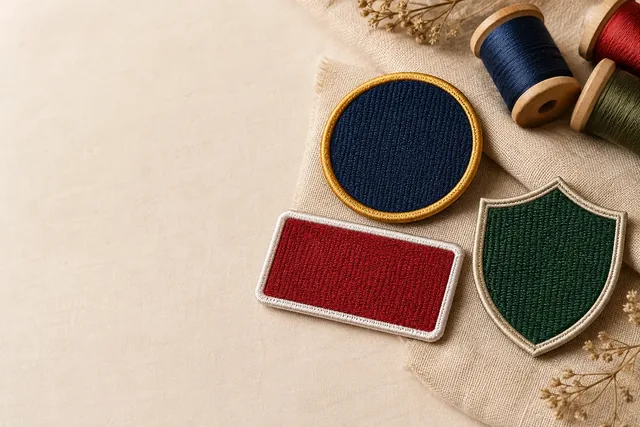
Choose this service when you need a digital file to make patches yourself. Finished physical patches are a separate order.
View options ↗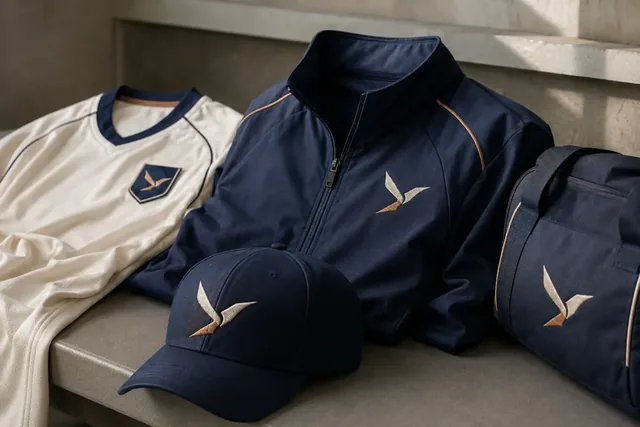
Organize uniforms and branded apparel around the actual production requirements. Share approval rules and artwork permissions along with the logo.
View options ↗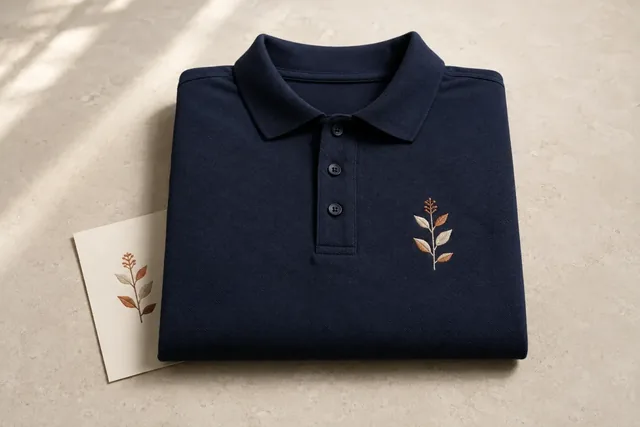
Start with the item being stitched. Caps, towels, lightweight shirts and bags should not be treated as interchangeable surfaces.
View options ↗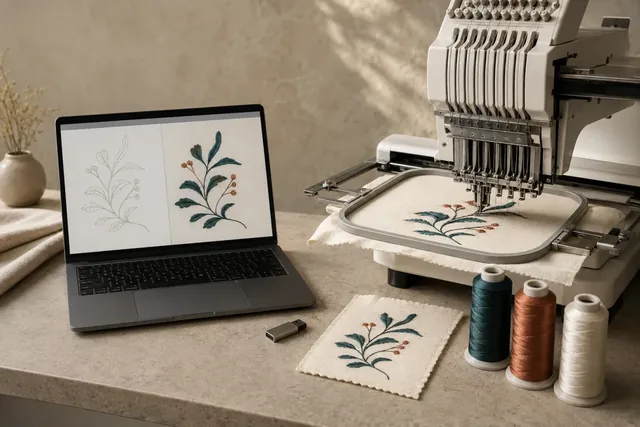
The file extension must suit the receiving machine or software. Tell us the exact model and whether you need a production file or an editable source file.
View options ↗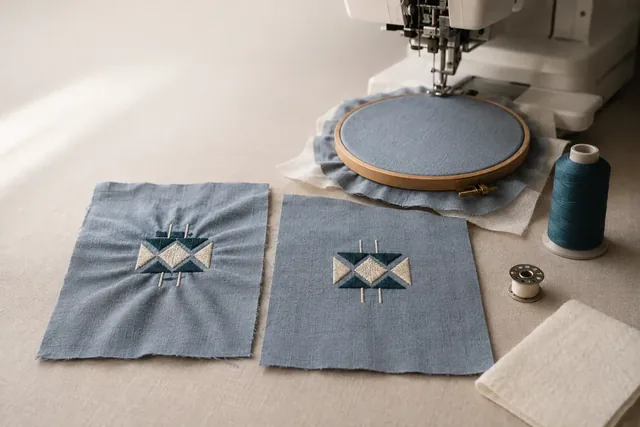
A useful repair starts with evidence of the problem. Include the existing file and a sew-out photo so changes address the stitching rather than just the preview.
View options ↗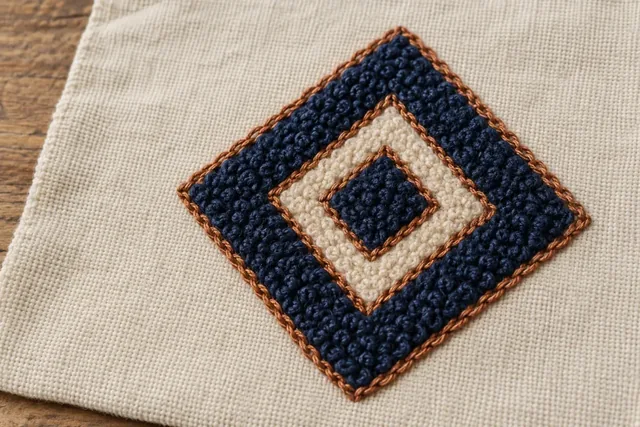
Chenille production uses a different workflow from standard flat embroidery. Confirm the production machine and intended texture before requesting a file.
View options ↗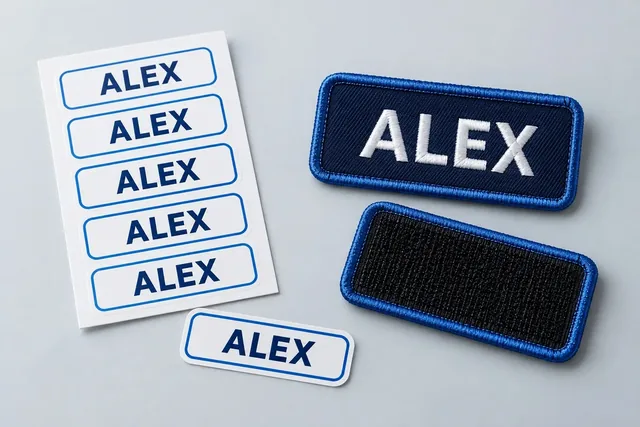
Get a digital embroidery file for a name, initials or monogram. This route is for people who will stitch the design themselves; it does not include a finished garment.
View options ↗From $10 per file — $10 basic to $35 intermediate, delivered in AI, EPS, SVG and PDF.
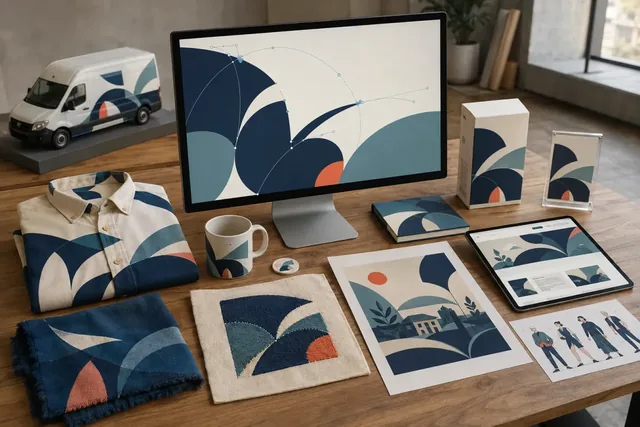
Rebuild image-based artwork as editable shapes for the intended print or cutting workflow. The final deliverable should match the printer or machine requirements.
View options ↗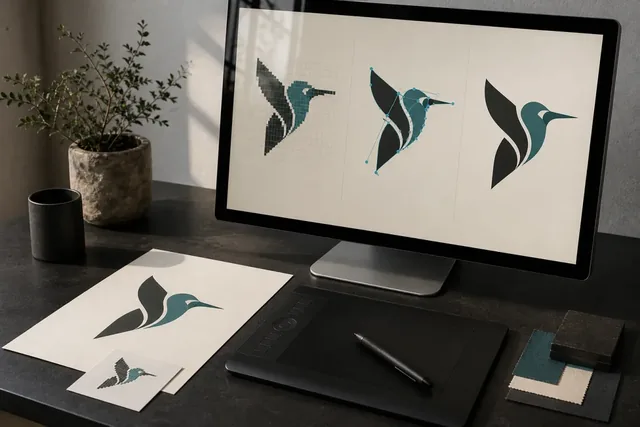
Converting a JPG or PNG into vector artwork involves reconstructing its shapes. Agree how to handle soft shadows, textures and small details.
View options ↗
A silhouette reduces a subject to a clear shape. Confirm which internal gaps and identifying features should remain visible.
View options ↗
Stencil lettering and enclosed shapes may need connecting bridges. The design should be reviewed for the actual cutting material and method.
View options ↗
A print separation is a production job with press-specific inputs. A generic vector logo does not automatically provide a complete separation set.
View options ↗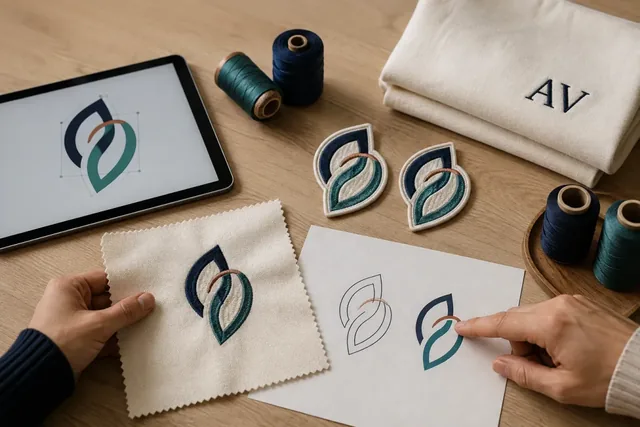
Recover a useful vector master when the original logo file is missing. Supply any brand reference that can resolve ambiguous shapes, lettering or colors.
View options ↗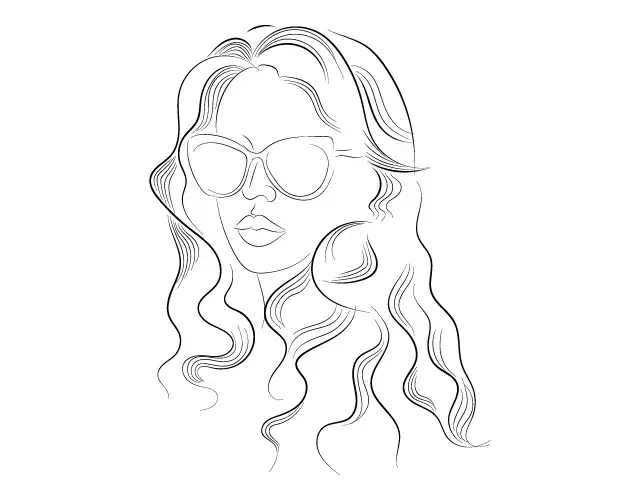
Specify whether the job needs outlined shapes or single paths. Artwork for an illustration and artwork for a cutting or engraving tool can have different requirements.
View options ↗
Define the style and level of simplification before an illustration is redrawn. Confirm which parts must remain editable as vector shapes.
View options ↗Embroidered 3-inch patches from $4.80 each at 25 pieces to $1.70 at 1,000; minimum 10.
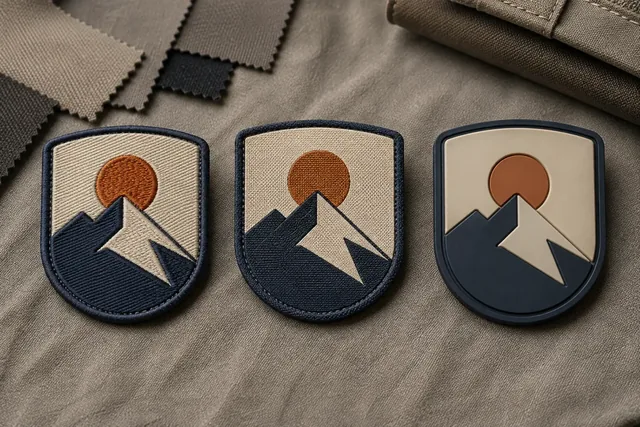
Choose a physical patch by artwork, texture and attachment method. Compare embroidered, woven, printed, PVC, chenille and leather options before committing to a specification.
View options ↗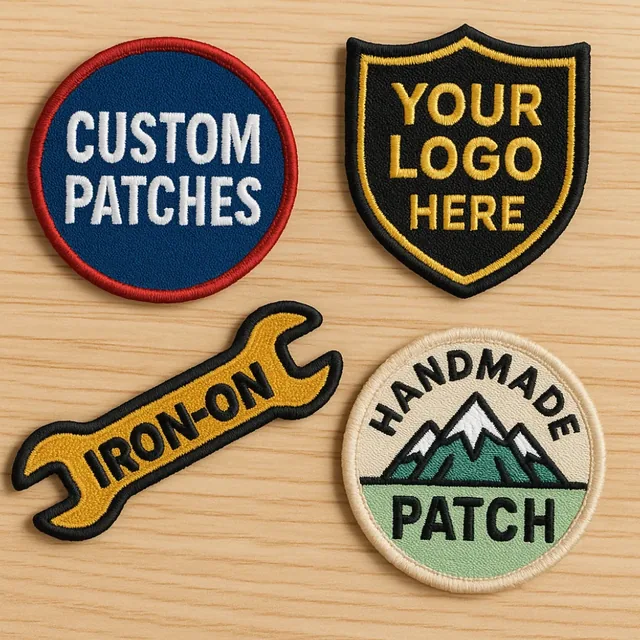
Heat-activated backing needs to suit the garment and its care instructions. Confirm heat compatibility and application directions before ordering.
View options ↗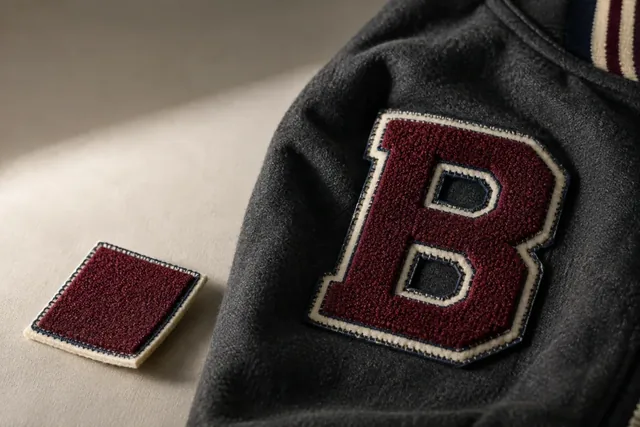
Chenille creates a textured letterman-style appearance. Bold lettering and larger shapes are useful starting points for a design review.
View options ↗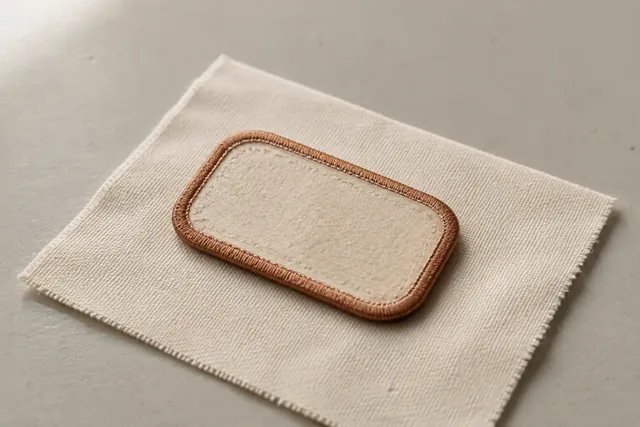
Removable patches need matching attachment surfaces. State whether you need the hook side only or both mating pieces.
View options ↗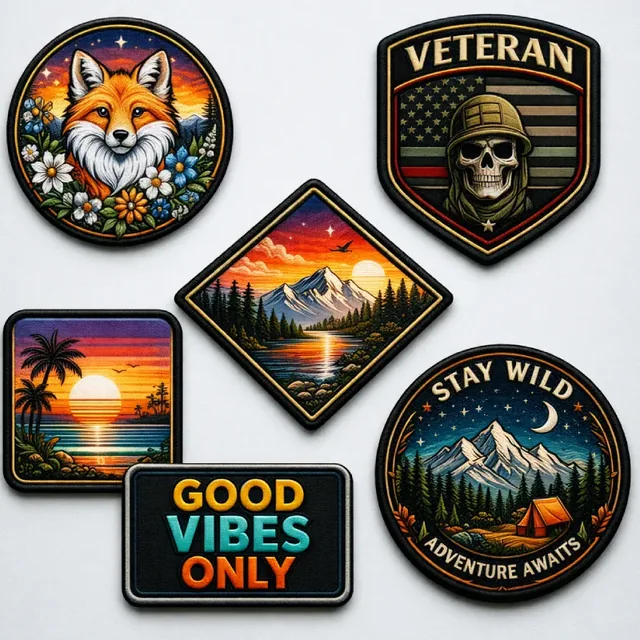
Printed artwork is an option to discuss when a design contains gradients or photographic detail. Confirm the base and edge finish as well as the print.
View options ↗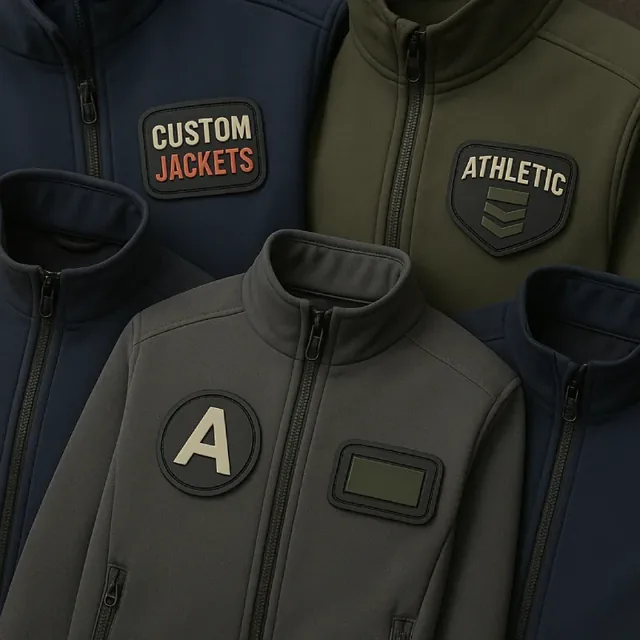
A molded PVC patch has different artwork and setup needs from thread embroidery. Review fine details, dimensions and attachment before production.
View options ↗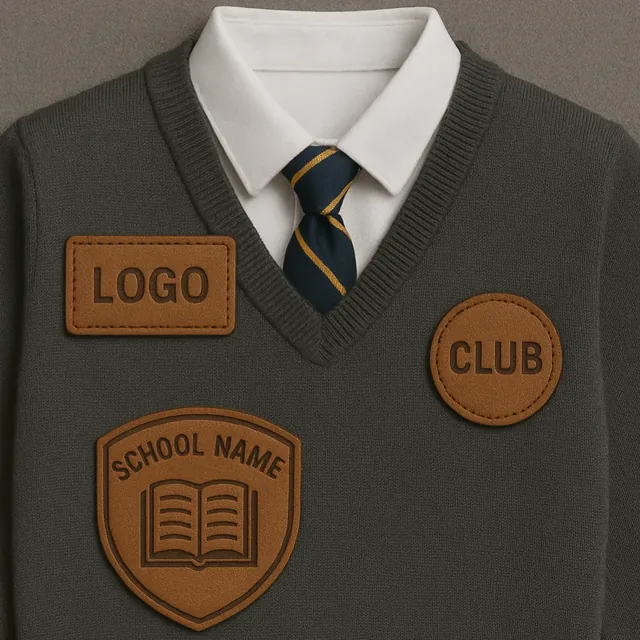
Specify genuine leather or a synthetic alternative, rather than relying on the appearance alone. Ask which marking method and care requirements suit the chosen material.
View options ↗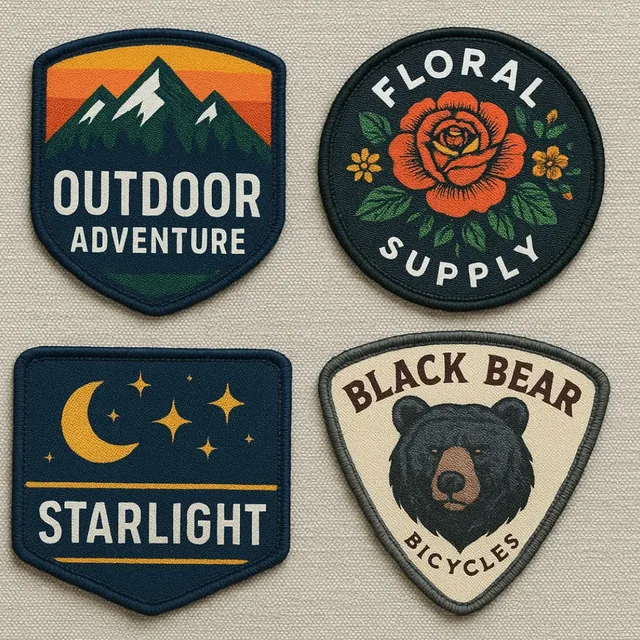
Consider woven patches when the artwork needs finer detail or a flatter finish. Legibility still depends on the finished size.
View options ↗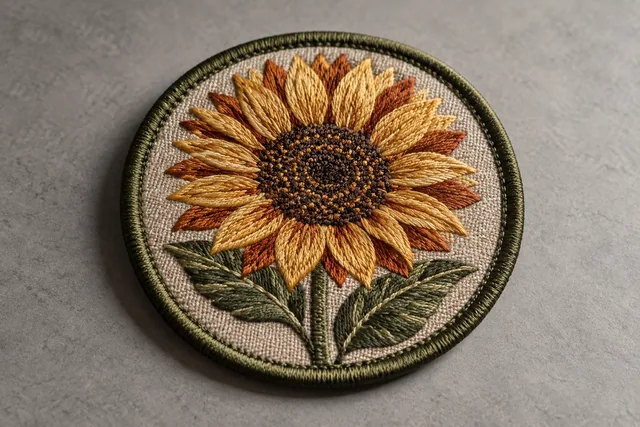
Thread embroidery gives logos and badges a visible stitched texture. Review the design at actual size before choosing coverage and edging.
View options ↗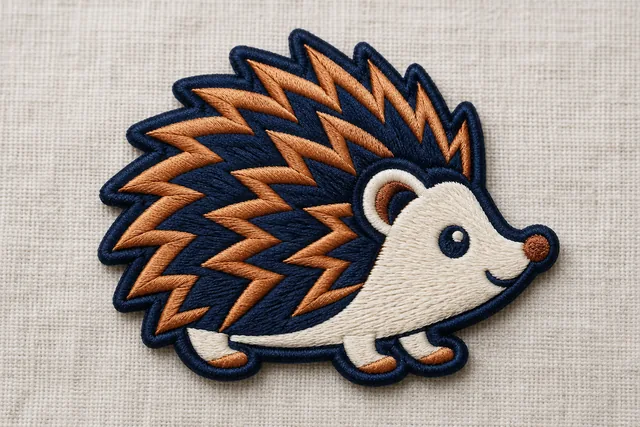
Raised details can add dimension to a patch. Keep the raised areas clearly defined and check which small elements should remain flat.
View options ↗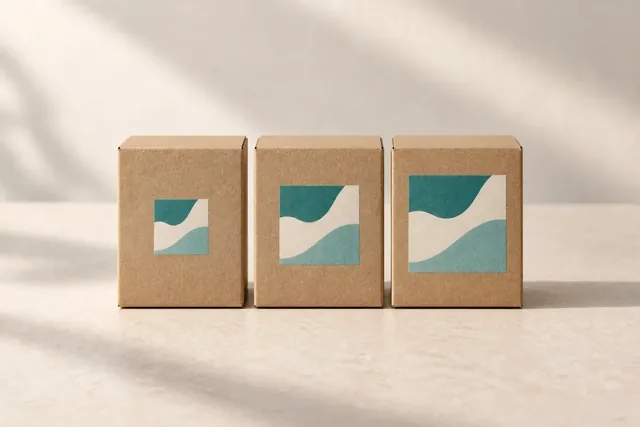
The patch outline and edge finish should be chosen together. Intricate corners and narrow extensions need a manufacturability review.
View options ↗
Choose attachment around the item, expected use and removal needs. Sew-on, heat-applied and hook-and-loop options have different practical requirements.
View options ↗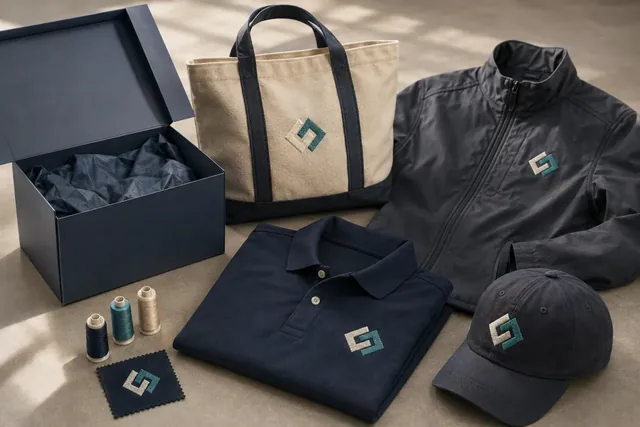
Uniform, club and team orders need consistent artwork and a clear approval process. Share any required specification rather than assuming a standard badge will qualify.
View options ↗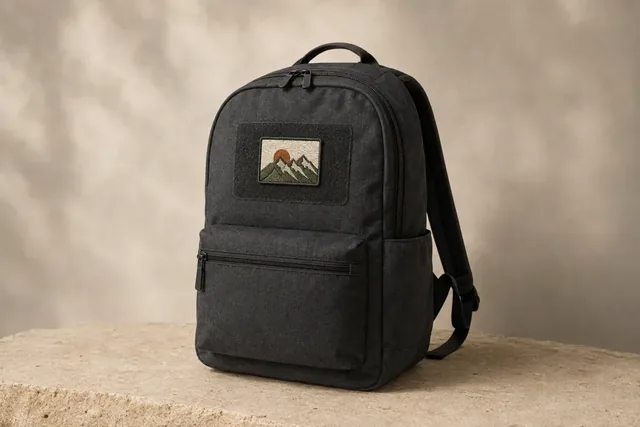
Measure the available space on the actual item. A patch that fits a flat proof may not sit well on a curved cap or across a seam.
View options ↗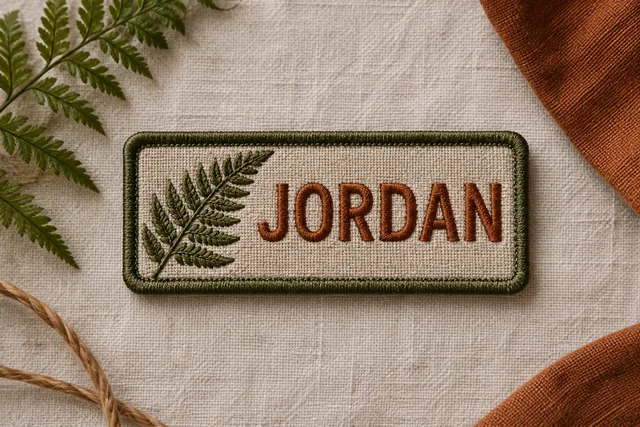
Order physical name patches for uniforms, workwear, bags or team gear. Make the spelling, lettering and attachment choices explicit before the design is approved.
View options ↗Quoted per project — send artwork, size, quantity and finish.
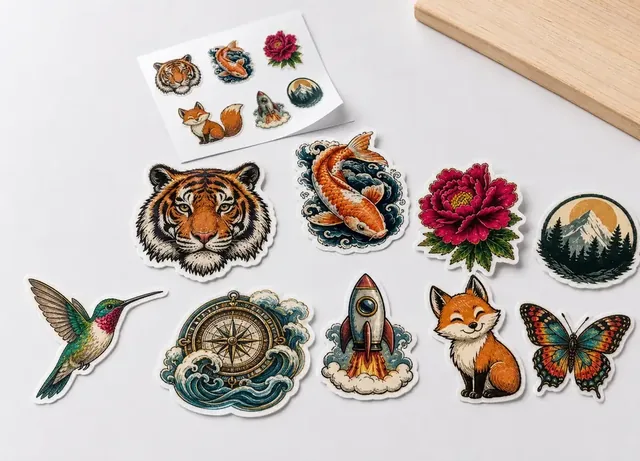
Choose the sticker format, material and intended surface together. A name label, a packaging seal and an outdoor decal can require different specifications.
View options ↗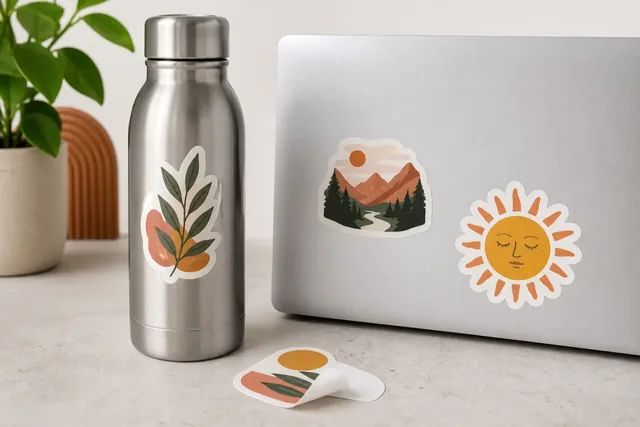
Vinyl is a material choice, not a complete durability specification. Confirm adhesive, laminate and expected exposure for the exact product.
View options ↗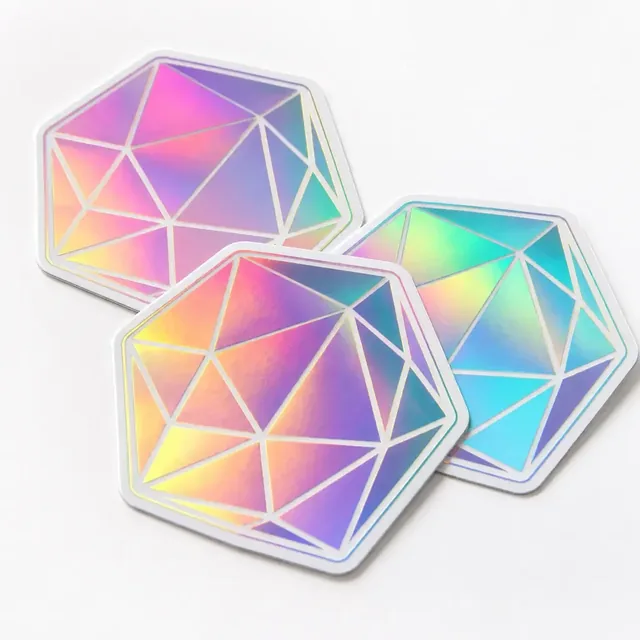
A holographic effect changes the appearance of the artwork. Identify where the effect should show and where colors need a solid base.
View options ↗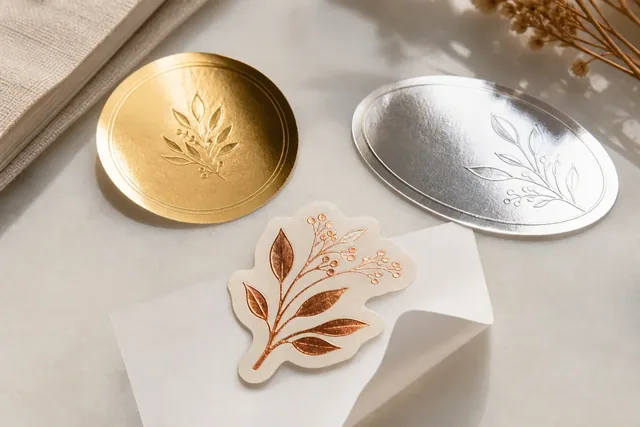
Define the metallic areas separately from the printed artwork. Fine text and small gaps should be checked at the final label size.
View options ↗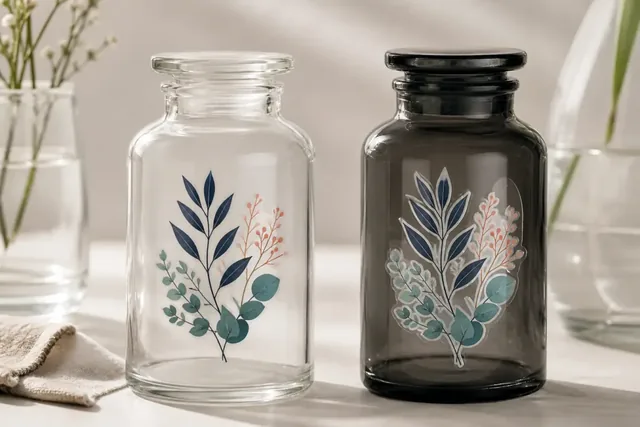
Clear material lets the underlying surface influence the result. Discuss a white-ink base when color visibility or small-text readability matters.
View options ↗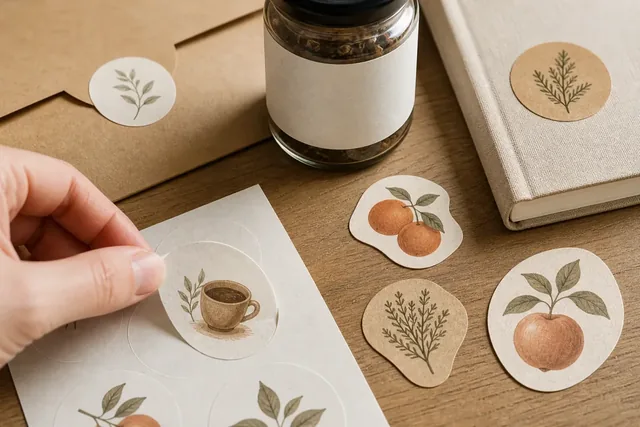
Paper labels are worth considering for dry indoor packaging. Wet, oily or frequently washed applications need a separate material review.
View options ↗
Die-cut stickers have an individual outline through the printed material and backing. They are useful when each piece will be handed out separately.
View options ↗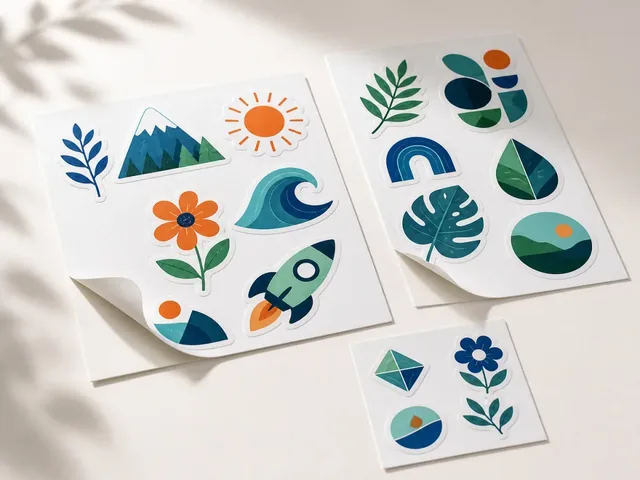
Kiss-cut designs peel from a backing that remains intact. Specify the backing size as well as the size of the actual sticker.
View options ↗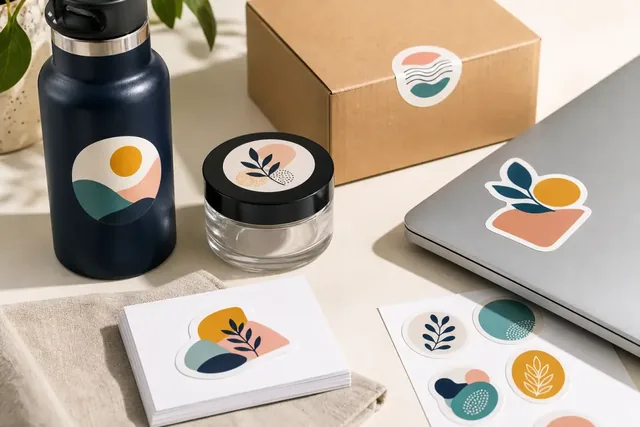
Start from the job the sticker needs to do. Packaging, promotional giveaways and bottle labels have different surface and handling requirements.
View options ↗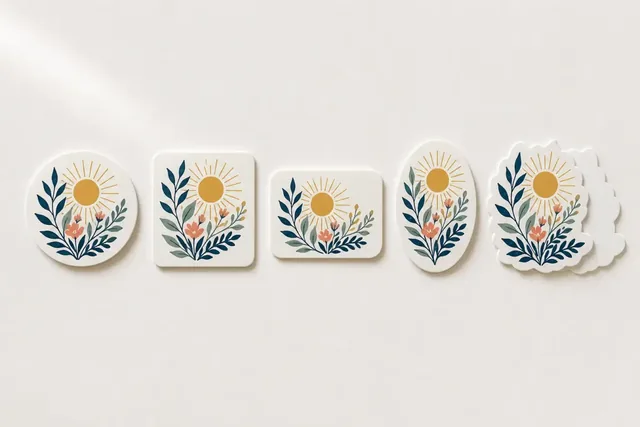
The outline affects both the finished look and how easily a design can peel. Small sharp details need review before cutting.
View options ↗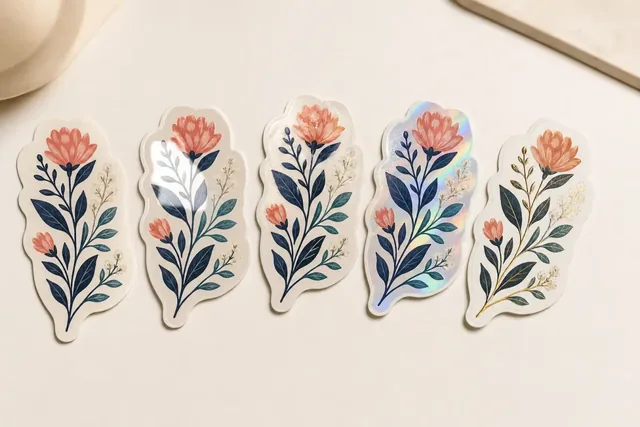
Appearance and durability are separate decisions. Matte, gloss and reflective effects should be considered alongside laminate, adhesive and exposure.
View options ↗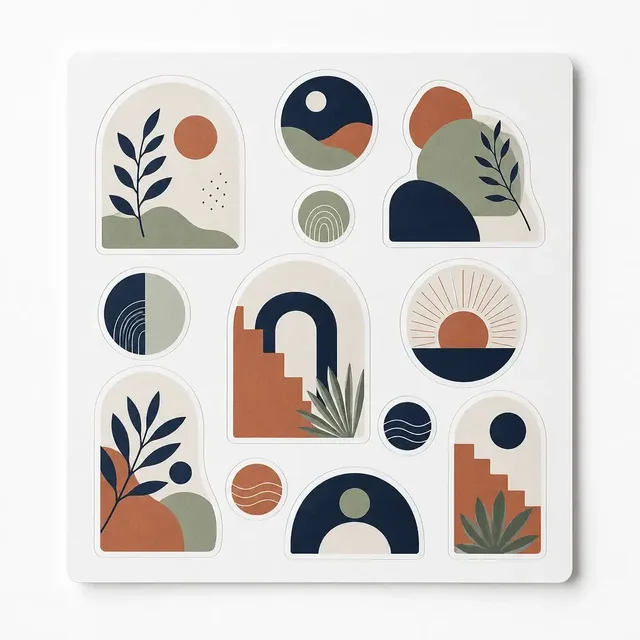
Plan the number of designs and pieces on each sheet. A sheet count is not the same as a total sticker count.
View options ↗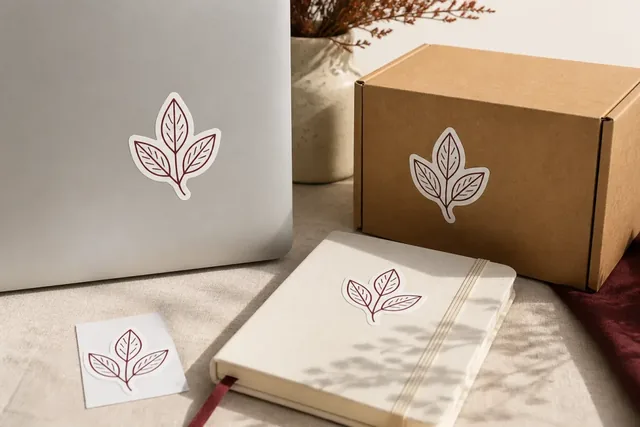
A logo sticker should remain recognizable at the size it will be used. Supply brand artwork and identify any color-critical elements.
View options ↗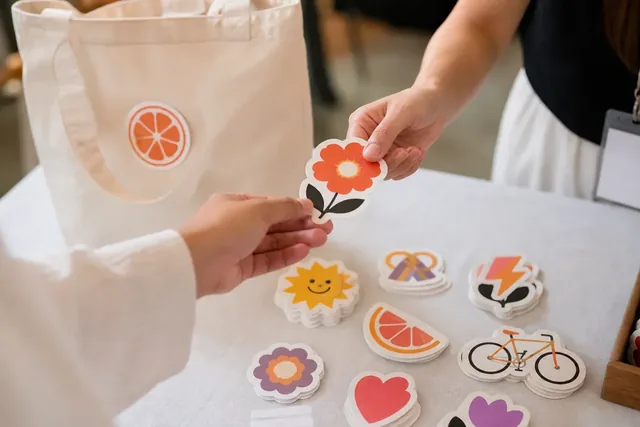
For campaigns and events, work backwards from the arrival date and how the stickers will be distributed. Request the production and transit estimates separately.
View options ↗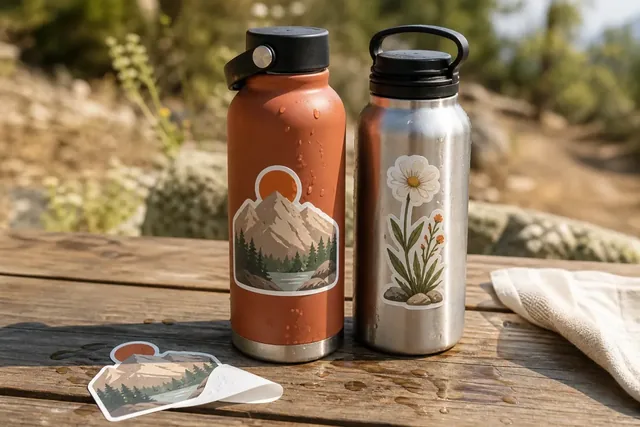
Bottle shapes, coatings and washing routines vary. State whether you need hand-wash or dishwasher suitability and obtain confirmation for the selected product.
View options ↗
A product label needs to fit the container and stay readable in use. Submit final approved wording and test barcodes at the actual size.
View options ↗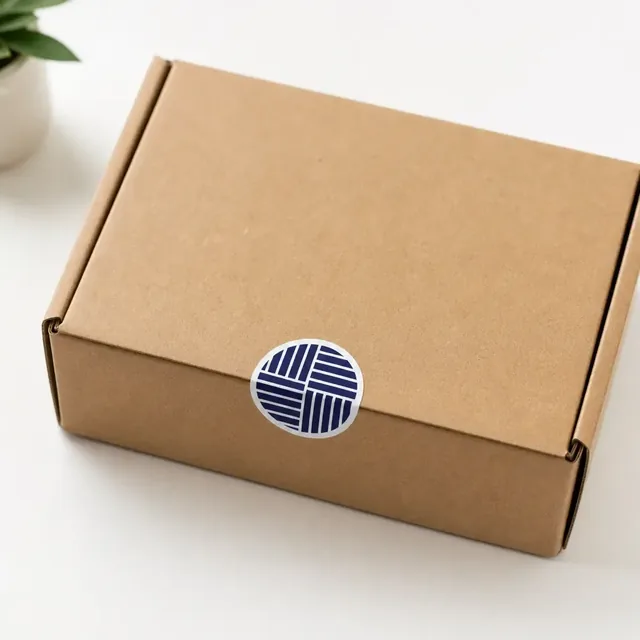
A decorative box seal is not automatically tamper-evident. Describe whether the aim is branding, closure or a specific security function.
View options ↗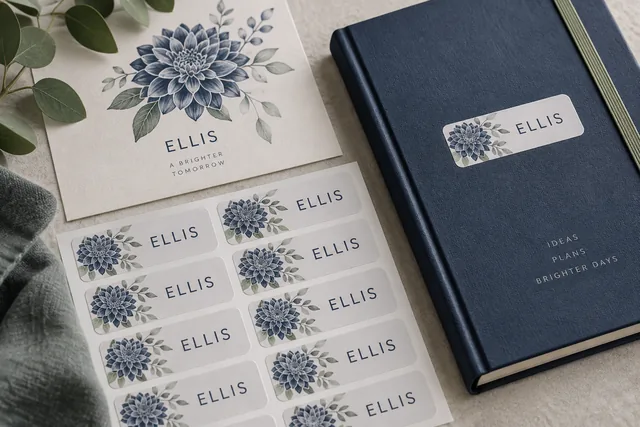
Request printed names, initials or short text for belongings, packaging or gifts. Choose the actual surface and exposure; a bottle sticker is not automatically a washable clothing label.
View options ↗LET’S MAKE SOMETHING
Choose a service and tell us what you have in mind.